Designing for operational reality: climate resilient energy systems in sub-Saharan Africa and South Asia
Across sub-Saharan Africa and South Asia, nearly 600 million people who still lack electricity access face a compounding challenge as the changing climate wreaks damage on vital infrastructure
In affected communities, energy powers the hospital refrigerators that store vaccines, the lights that enable children to study after dark, and the cold chains that preserve harvests for market. When that infrastructure fails, a clinic loses its vaccine supply overnight, food spoils before it reaches buyers, and families are plunged back into darkness.
Estimates show that damages caused by extreme weather events across Sub-Saharan Africa cost the power sector up to $1.5 billion annually, burdening already budget-constrained governments and utilities. Inadequate power infrastructure contributes to an annual loss of approximately 2-4% of GDP across the continent.
Climate volatility undermines energy systems through multiple interconnected pathways. Heat stress poses an insidious threat, for example. Rising temperatures can reduce solar panel efficiency by 10-25%, while accelerating battery degradation threefold. Some mini-grid operators report significantly reduced system lifespans. Flooding and extreme weather present even more dramatic risks. Recent flooding across Niger and the Lake Chad basin was found to be 5-20% more intense due to climate change.
Infrastructure damage is compounded by disrupted supply chains: replacement parts cannot reach damaged sites, and technicians cannot access remote locations, extending outages from days to months. Economic cascades amplify technical failures. When extreme weather destroys crops or disrupts livelihoods, customers’ ability to pay for energy services collapses simultaneously with infrastructure damage. Energy providers face the dual burden of repair costs and revenue loss, threatening business continuity. Renewable energy infrastructure, particularly systems that are resilient by design, help maintain services through these economic shocks, preserving customer trust and protecting both livelihoods and revenue.
Strategies for embedding climate resilience
This is why energy access projects supported by Energy Catalyst are embedding resilience into their core designs. Across the portfolio, innovators are tackling climate vulnerability from multiple angles: from SteamaCo’s cloud-based remote monitoring that enables operators to identify and address system issues before they escalate, to Mhor Energy’s heat-resilient flow batteries designed to maintain performance in high-temperature environments, to the SHIELD project’s solar installations ensuring Kenyan hospitals maintain power for vaccine cold chains and critical care during grid outages.
Approaches to climate resilience tend to cluster around three complementary strategies: redundancy for continuous operation, modularity for rapid recovery, and supply chain resilience for sustained livelihoods. The following Energy Catalyst-supported projects illustrate how these principles translate into practice.
Redundancy strategies ensure energy systems can maintain critical functions even when individual components fail or operating conditions deteriorate. This includes ensuring battery capacity can accommodate heat-related efficiency losses, providing reliable backup generation from renewable sources, and offering multi-use applications.
P.A.K. Engineering’s Project GANESHA addresses battery performance under extreme heat. Operating in Nepal, the project has developed innovative battery modules incorporating heat exchanger technology for thermal management. The dual-use design powers both electric rickshaws and off-grid home energy systems, with swappable batteries ensuring continuous operation even when individual units require charging or maintenance.
Modular system architectures enable faster recovery from climate damage by allowing individual components to be replaced without rebuilding entire installations. Pre-integrated plug-and-play designs reduce the technical expertise required for repairs, while standardised components simplify supply chains and spare parts management. For healthcare facilities and schools, this means power can be restored in days rather than months.
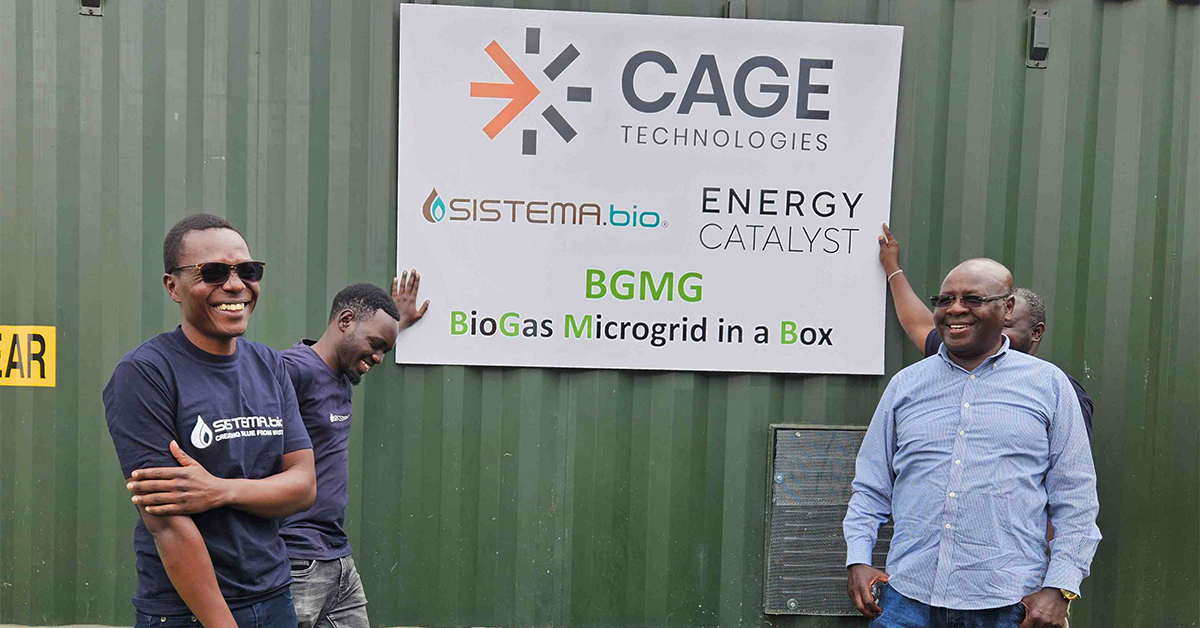
CAGE Technologies’ BioGas MicroGrid in a Box exemplifies this approach. The Kenya-based project has developed a containerised hybrid energy hub combining solar, wind, and biogas generation in a single deployable unit. The self-contained design means units can be rapidly deployed, replaced or relocated. By utilising locally available bio-waste as feedstock, the system reduces vulnerability to fuel supply disruptions during extreme weather and unreliability of mains electricity supply.
The most effective resilience strategies address the economic vulnerabilities that underpin energy access. When climate shocks destroy crops or disrupt livelihoods, communities lose both the infrastructure they depend on and the income to restore it. Supply chain strengthening inverts this dynamic by channelling anticipatory investment into farming communities before crises strike, protecting livelihoods while deploying climate-adaptive energy infrastructure.
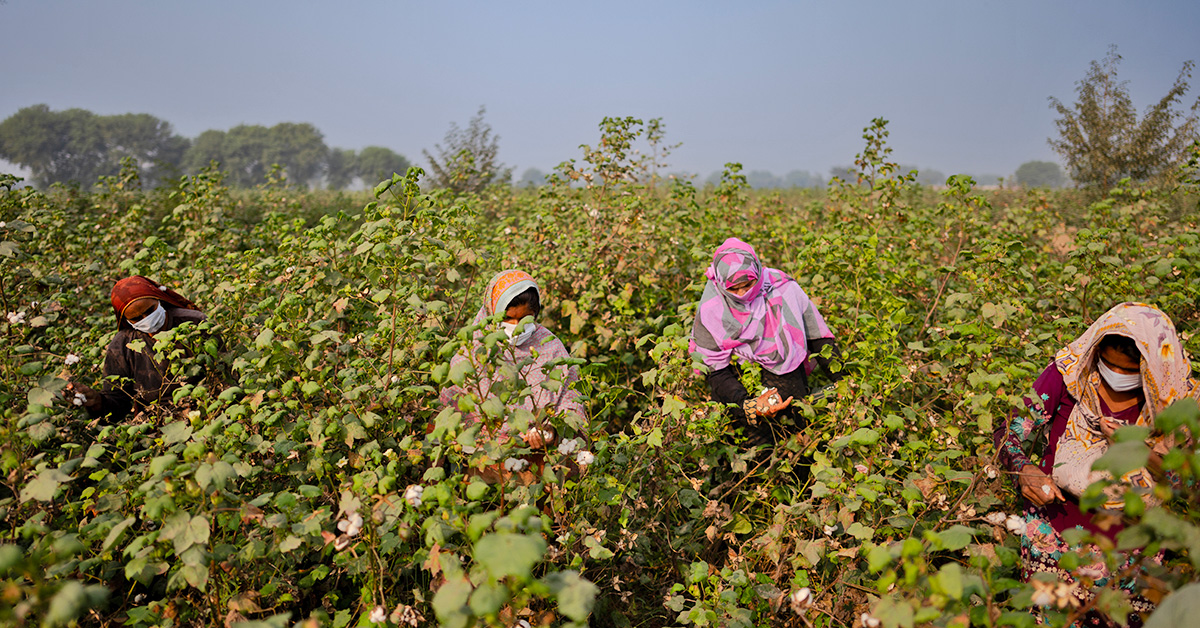
Pilio’s Affordable Clean Environment (ACE) programme, piloted with smallholder cotton farmers in Pakistan and being commercialised across South Asia, demonstrates this approach. ACE channels investment from global fashion and textile brands with sustainability commitments directly into cotton farming communities, deploying a portfolio of on-farm, household and community climate-adaptive solutions. The portfolio of solutions include solar irrigation, solar microgrids, solar-powered community shops, and clean cookstoves. Solar-powered fans are vital for the health of field workers who spend long days in extreme heat, while diversified energy sources reduce dependence on unreliable grid supply. The model creates economic resilience alongside technical resilience: by strengthening farmer livelihoods, it secures the supply chains that global brands depend on while ensuring communities can afford and maintain their energy infrastructure through climate shocks.
Building for resilience
The path to climate-resilient energy access requires action on multiple fronts. Project planning and finance must evolve: development finance institutions are beginning to integrate physical climate risk screening into investment criteria, but bankability assessments still need to account for the long-term value resilience delivers, not just upfront costs.
Equally important is leveraging local resources, skills, and supply chains. Systems that utilise locally available feedstocks, like CAGE’s biogas units, or that can be maintained with locally available expertise, reduce vulnerability to the disruptions that follow extreme weather events. Policy frameworks also have a role to play, from building codes that mandate climate-resilient infrastructure to procurement standards that reward durability over lowest initial cost.
The stakes of energy resilience extend far beyond technical performance or financial returns; for communities across sub-Saharan Africa and South Asia currently lacking access, it is a matter of survival.
A just and inclusive clean energy transition must be a resilient one,’ says Andra Stancu, Programme Manager at Energy Catalyst. ‘By embedding climate resilience into clean energy innovations, Energy Catalyst projects are continuing to provide reliable energy access to communities across Africa, Asia, and the Indo-Pacific, even as climate conditions become more hostile. The goal is not just to connect people to energy, but to ensure that connection endures when it is needed most.”